The Most/Recent Articles

Showing posts with label ByteDance. Show all posts

Trump Delays TikTok Ban Again as U.S.-China Deal Stalls: Congress Seeks Clarity

Trump Delays TikTok Ban Again as U.S.-China Deal Stalls: Congress Seeks Clarity


Trump Issues Another 90-Day Delay on TikTok Ban Enforcement

President Donald Trump has again postponed the enforcement of a bipartisan law aimed at banning TikTok in the United States, marking the third delay since taking office in January 2025. The latest executive order, expected to be signed this week, grants ByteDance an additional 90 days to resolve a sale of TikTok’s U.S. operations.

White House Press Secretary Karoline Leavitt said the president is committed to keeping TikTok available to Americans while ensuring user data remains secure. “President Trump does not want TikTok to go dark,” she said, adding that the administration will use the extension to close a deal that separates TikTok from its China-based parent company.

Deal Stalled Over Trade War and Chinese Government Approval

Though a framework agreement had reportedly been reached in April to transfer U.S. TikTok operations to a company with majority American ownership, the deal hit a roadblock after Trump announced sweeping new tariffs on Chinese goods. ByteDance responded by signaling that China would not approve the deal without resolution on trade issues.

ByteDance later confirmed that no final agreement had been made and emphasized that any transaction would require the Chinese government's authorization. Trump, acknowledging the need for Beijing's cooperation, told reporters, “We’ll probably have to get China’s approval. China’s never easy.”

Still, he expressed optimism, stating, “I think President Xi will ultimately approve it,” and noted his personal connection to the platform, claiming, “I was No. 1 on TikTok in its history. Can you believe that?”

Congress Growing Impatient with Lack of Enforcement

The law banning TikTok unless ByteDance divests was passed last year with bipartisan support and upheld by the U.S. Supreme Court. It gave ByteDance until January 19 to complete a separation or face removal from app stores and web services. TikTok briefly shut down operations in the U.S. but resumed after Trump took office and issued the first delay.

Despite national security warnings, Apple and Google only restored TikTok to their platforms weeks later. Meanwhile, there has been little action from Congress to force compliance, though frustration is mounting.

Senator Josh Hawley, a longtime critic of TikTok, remarked, “The courts have been really clear on this. I think we ought to enforce the law.”

Senator Chuck Grassley added, “I want some certainty and just to know that Congress isn't being played when we make a decision [for TikTok] to be sold.”

Trade Talks Continue, But TikTok Left Out

Although President Trump and Chinese President Xi Jinping spoke earlier this month in a 90-minute call focused on trade, neither side mentioned TikTok in official summaries. Days later, trade representatives from both countries met in London and reportedly reached a framework to ease tariffs.

However, U.S. Treasury Secretary Scott Bessent testified before the Senate Finance Committee that TikTok was not discussed during the meetings. “I have no visibility into TikTok,” he said.

National Security Concerns Persist, But Enforcement Lags

Lawmakers have long expressed concern that TikTok, under Chinese ownership, could be used as a tool for surveillance, data collection, or propaganda. Still, with the White House repeatedly extending deadlines and offering little enforcement guidance, critics worry the administration is sending mixed signals.

The current 90-day extension will expire in September unless a breakthrough is reached. Until then, TikTok’s fate remains in limbo, caught between high-stakes trade negotiations and a deeply politicized debate over tech regulation and national security.

As calls for clarity grow louder, it remains to be seen whether the Trump administration will finally enforce the law—or continue to delay action in pursuit of a still-elusive deal.
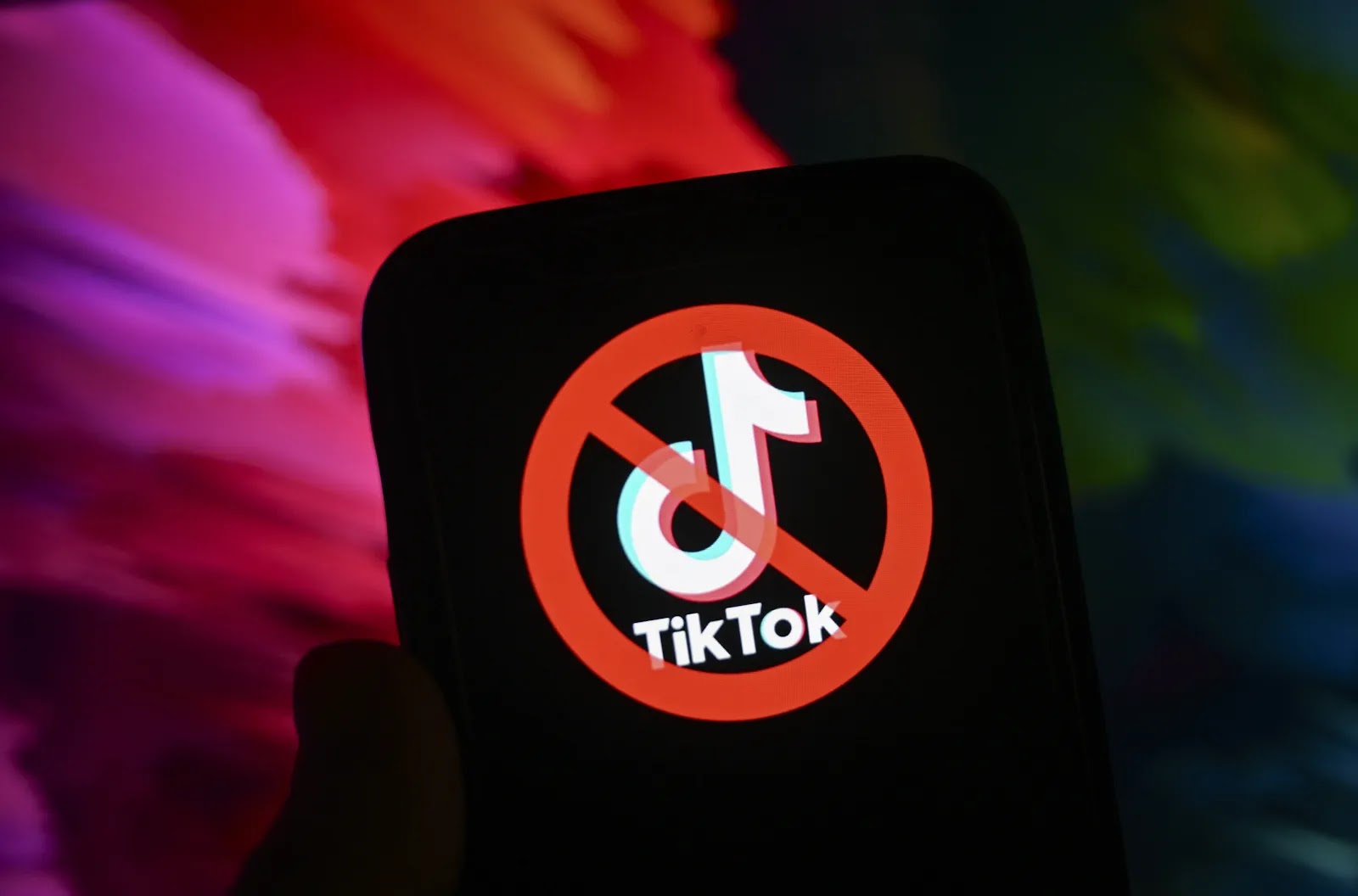
TikTok Ban: A Collision of Technology, National Security, and Constitutional Rights

TikTok Ban


The Protecting Americans From Foreign Adversary Controlled Applications Act, passed last year by Congress and signed into law by President Biden, has become a flashpoint in the ongoing debate over national security and free speech. At its core, the law demands that TikTok, the wildly popular app owned by Chinese tech giant ByteDance, be sold to a U.S.-based entity or cease operations entirely in the country. With a ban scheduled to take effect in just 10 days, the stakes are higher than ever as the Supreme Court prepares to rule on the law’s constitutionality.

The impending deadline is not just about TikTok’s fate—it is emblematic of broader tensions between technology regulation, First Amendment protections, and geopolitical maneuvering.

The Case Against TikTok: A National Security Argument

Proponents of the TikTok ban argue that ByteDance’s ownership poses an unacceptable risk to U.S. national security. As the government’s brief notes, the app could enable the People’s Republic of China (PRC) to collect sensitive user data or manipulate content in ways that could harm U.S. interests. ByteDance’s carefully curated algorithm, capable of influencing 170 million U.S. users, is central to these concerns.

Critics highlight that TikTok is notably absent in China, where ByteDance instead operates Douyin, a government-regulated alternative. This discrepancy raises questions about whether TikTok's purported openness is a facade for PRC-driven agendas. In an era where data is currency, allowing a foreign adversary access to such a platform is viewed by many as a direct threat.

First Amendment Clash: TikTok as a Speech Platform

TikTok, ByteDance, and their legal team argue that the ban is an unconstitutional abridgment of free speech. Represented by Noel Francisco, former solicitor general under Trump, TikTok asserts that its recommendation algorithm functions as an editorial choice, akin to how a newspaper selects stories for publication.

In their brief, TikTok’s lawyers draw a provocative analogy: Congress forcing Jeff Bezos to sell The Washington Post due to his foreign business ties would be a blatant violation of his First Amendment rights. TikTok maintains that its algorithmic choices deserve the same constitutional protection.

However, the government counters that the First Amendment does not shield companies from actions taken to safeguard national security. Solicitor General Elizabeth Prelogar argues that TikTok’s ownership structure, even without proven harm, presents a significant enough threat to justify intervention.

A Complicated Political Landscape

The timing of the ban’s implementation—on the last day of Biden’s term—adds political intrigue. President-elect Donald Trump has signaled mixed intentions toward TikTok, having both pursued and retreated from regulatory actions during his previous term. His incoming solicitor general, John Sauer, has suggested Trump’s unique "deal-making expertise" is the best hope for resolving the issue, though no specifics have been offered.

Complicating matters further, Sauer’s efforts to shield Trump from legal consequences in unrelated cases risk undermining his credibility as the administration’s top legal advocate.

Meanwhile, bipartisan support for the TikTok ban has persisted, with legislators and state governments expressing concerns about the app’s impact on privacy, children’s safety, and foreign influence operations.

The Role of the Supreme Court

The conservative-majority Supreme Court now faces a pivotal decision. Its ruling could establish a significant precedent, either reaffirming Congress’s authority to regulate foreign-controlled technology or expanding First Amendment protections for platforms like TikTok.

Justice Samuel Alito’s recent acknowledgment of a conversation with Trump has further complicated the optics surrounding the Court’s impartiality. With public confidence in the judiciary already strained, the handling of this case will be scrutinized not only for its legal rationale but also for its broader implications on the Court’s credibility.

A Broader Implication for Tech Regulation

Regardless of the Court’s ruling, the TikTok case highlights a pressing need for comprehensive technology regulation. The controversy underscores gaps in existing laws, including Section 230 of the Communications Decency Act, which shields tech platforms from liability for user-generated content. Reforming this framework could address the challenges posed by modern technology without resorting to outright bans.

For businesses, the case serves as a stark reminder of the evolving regulatory landscape. Companies operating in sensitive sectors or with foreign ties must navigate an increasingly complex web of legal and geopolitical risks.

Conclusion: Navigating Uncharted Territory

As the Supreme Court deliberates, the future of TikTok in the U.S. hangs in the balance, along with critical questions about the limits of free speech, national security, and the role of private enterprises in a globalized world.

For lawmakers, the tech industry, and the incoming administration, the resolution of this case is unlikely to be the end of the debate—it’s merely the beginning of a new chapter in the intersection of technology, policy, and global power dynamics.